
Custom Soap
Share your size, material, finish and quantity details.
Can't find what you're looking for? Get a Custom Quote
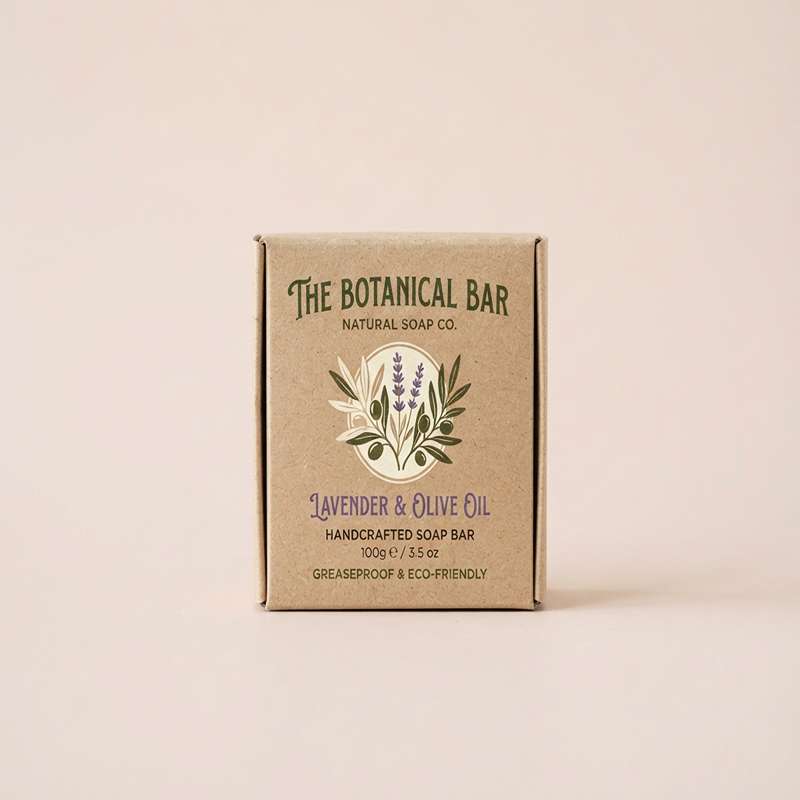
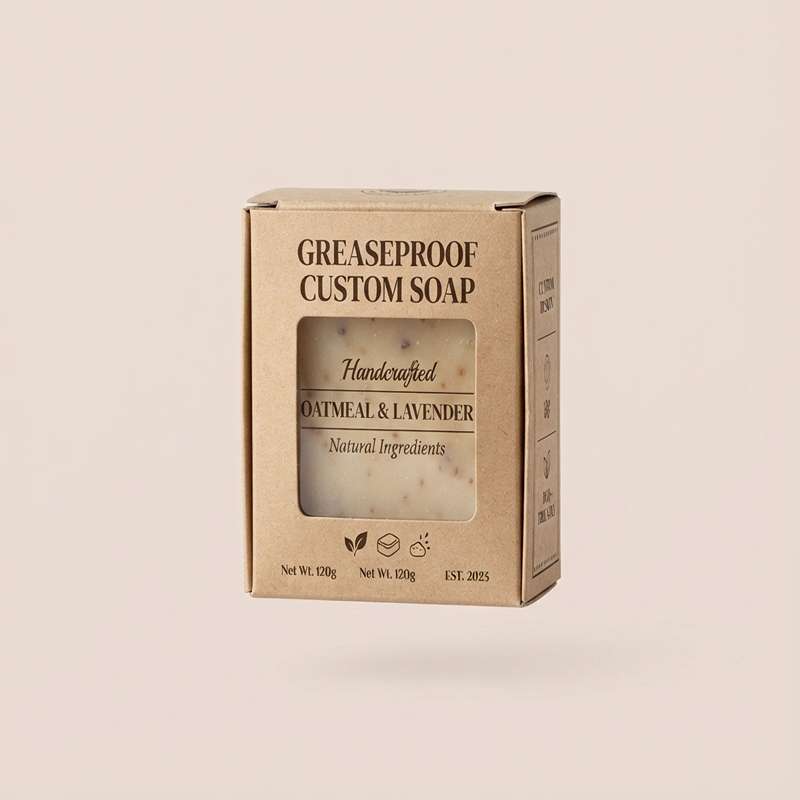
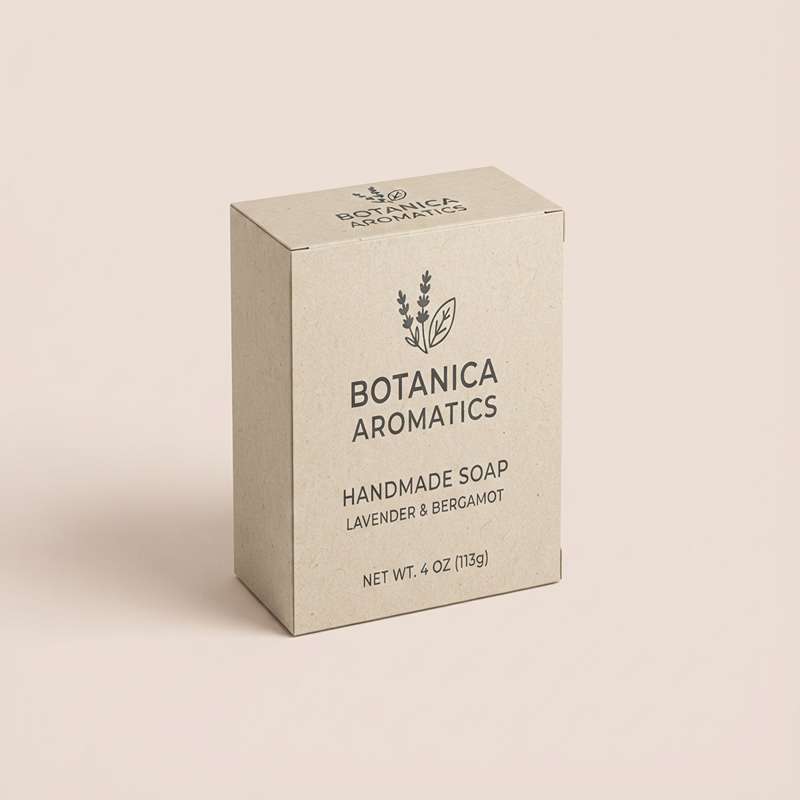
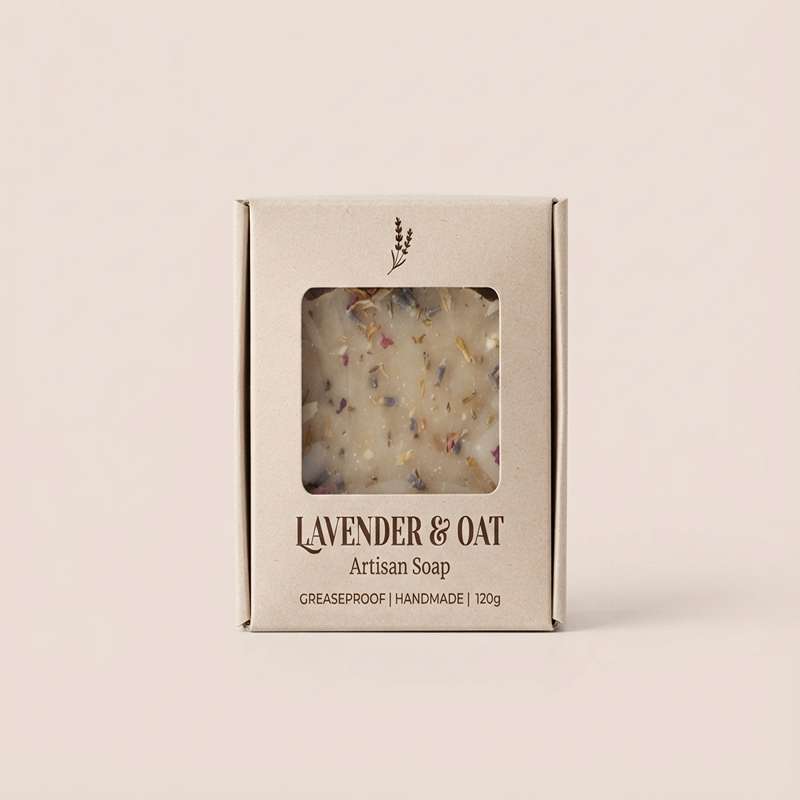

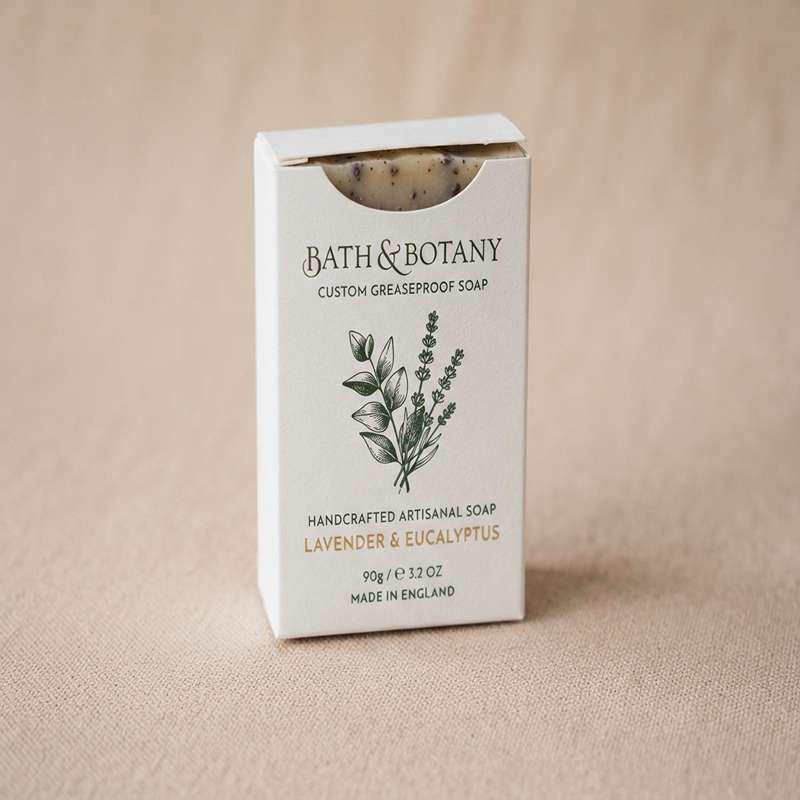
Custom Square Soap Boxes give soap brands a way to pack each bar around its size, design, and brand identity. A custom box can carry a logo, product name, scent, ingredients, net weight, barcode, and brand message on one package. For businesses that need Wholesale Soap Boxes, square packaging can support retail orders, ecommerce sales, gift sets, and bulk production.
Custom Square Soap Boxes use a square carton structure made around soap dimensions. A custom size can help create a close fit around a soap bar and limit unused space inside a package. Length, width, depth, soap weight, and packing method can guide box dimensions.
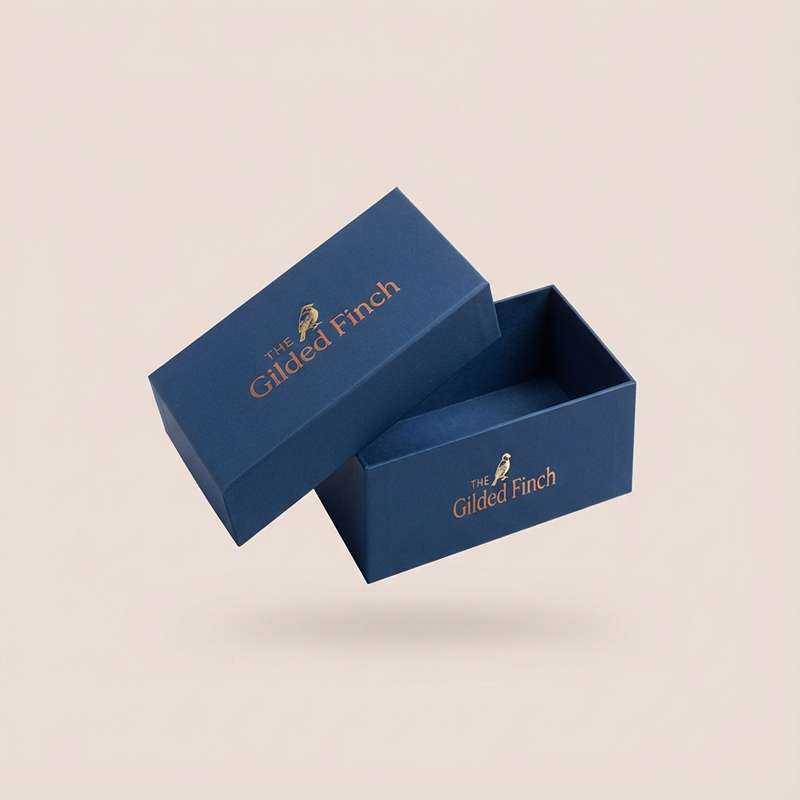
Common box styles include tuck-end boxes, reverse tuck-end boxes, sleeve boxes, and two-piece boxes. Tuck-end structures can support fast packing for regular soap production. Sleeve structures can work with an inner tray or wrapped soap. Two-piece boxes can suit gift soap and product sets.
A custom dieline can define cut lines, fold lines, glue areas, and print panels. Proper dieline setup can help keep text, logo, and artwork within safe print areas.
Paperboard can work well for soap packaging because paperboard supports printing, scoring, cutting, folding, and gluing. Kraft paperboard can suit brands that want a paper-based package with a natural surface. White paperboard can support color print and logo reproduction.
Recycled paperboard can also suit brands that want recycled content. Some packaging suppliers offer cardboard, kraft, and other paper stocks for soap packaging. Material selection should depend on soap weight, box size, stacking, shipping, and handling.
Board thickness also affects box performance. A heavier soap may need a higher board grade than a small soap bar. A packaging provider can recommend stock after reviewing product weight and dimensions.
Printed packaging can place brand information across each box panel. CMYK printing can support full-color artwork, product images, patterns, and gradients. Pantone printing can help match selected brand colors. White ink can work on colored or kraft paper surfaces.
A box can carry a logo, scent name, product description, ingredients, barcode, contact information, and other package details. Print placement should leave enough space for folds, cuts, glue areas, and required information.
Finishing can add another packaging option. Matte or gloss coating can change surface appearance and help protect printed areas. Foil stamping can highlight a logo or selected text. Embossing can raise part of a design, while debossing can press a design into paperboard. Spot UV can add contrast to selected areas.
A personalize approach gives a soap company control over size, structure, artwork, color, material, and finish. A fixed package may not fit every soap product. Custom packaging can support different soap sizes while keeping a common brand system.
For example, one soap line can use one box structure with different colors for lavender, citrus, charcoal, or herbal products. A logo can remain in one position while scent names and product information change across each design.
This system can help a growing brand create consistent packaging without using one design for every product.
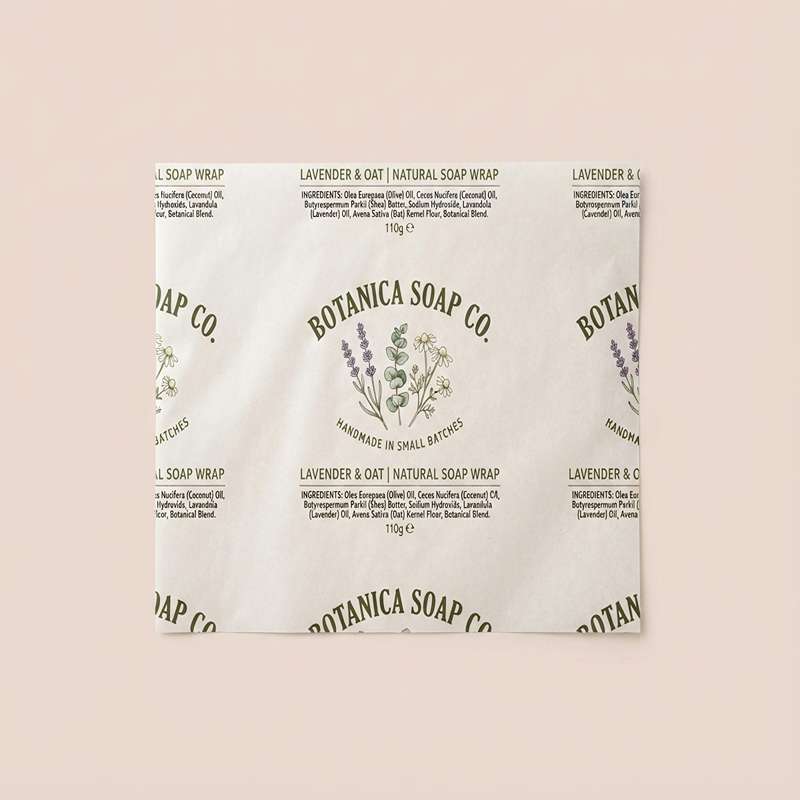
Some soap products need a full carton, while other products can work with a wrap or sleeve. Custom Soap Wraps can provide space for brand identity, product details, and ingredient information while using a different package structure.
A wrap can also work as an inner package inside a box. This approach can give a soap bar another layer of presentation and product identification.
Another option is Custom White Soap Boxes, which can provide a white paperboard surface for logo printing, color artwork, and product information. White stock can support a clean print base and can work with many brand color systems.
Custom packaging can provide several business benefits:
Brands selling soap in USA markets should review product classification and labeling requirements before final packaging artwork. FDA explains that products sold as soap may fall under different regulatory categories based on composition and intended use. Products that meet FDA's definition of soap differ from products regulated as cosmetics or drugs.
For cosmetic products, FDA labeling rules cover information such as product identity, net quantity, business information, ingredients, and applicable warnings. Ingredient declarations generally need to appear in descending order of predominance.
Review current USA requirements before sending artwork to print. This step can help avoid changes after production.
The Custom Boxes Hub can help soap brands build packaging around product dimensions, brand artwork, quantity, material, print, and finish. A custom packaging process can start with soap measurements and continue with box style, paperboard selection, artwork, proof review, and production.
For a new brand, this approach can support a package that matches product needs instead of relying on a fixed box. For an established business, repeat bulk custom boxes can support regular production and wholesale orders.
If your brand needs soap packaging for retail, ecommerce, events, gift sets, or wholesale sales, start with product dimensions and packaging goals. Share your box size, quantity, artwork, material preference, and finish requirement with The Custom Boxes Hub. If you are comparing bulk custom boxes providers, review material options, print quality, box structure, proof process, production capacity, and order support before you buy.
A bright, clean white paperboard that prints colors accurately and works for most retail box styles.
A natural brown stock with an earthy, eco-friendly look that suits organic and sustainable brands.
A fluted, layered board built for heavier products that need extra support on the shelf.
A dense, non-folding board that gives display boxes a premium, solid feel on the counter.