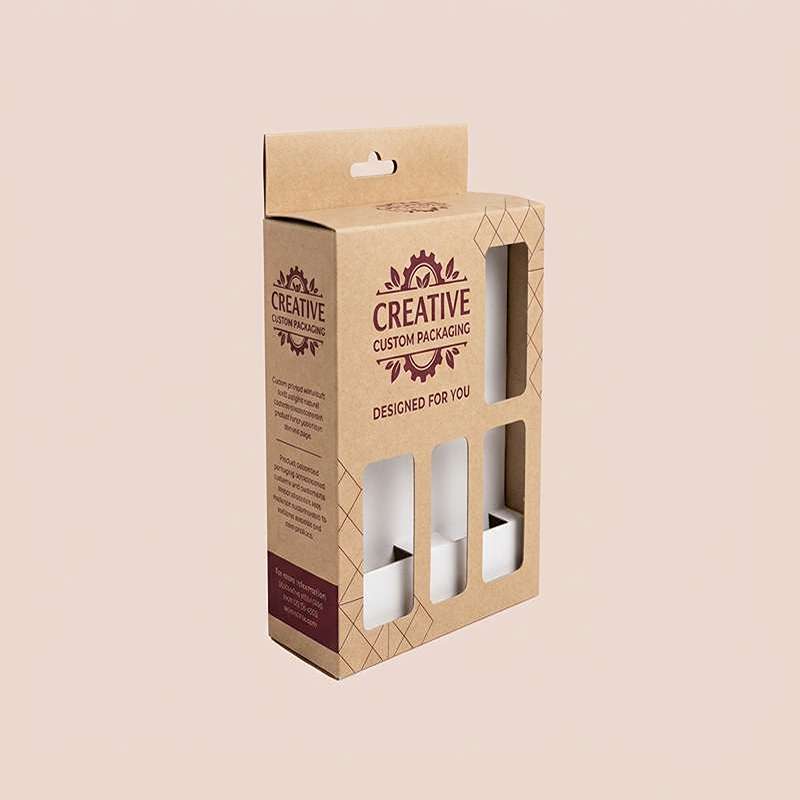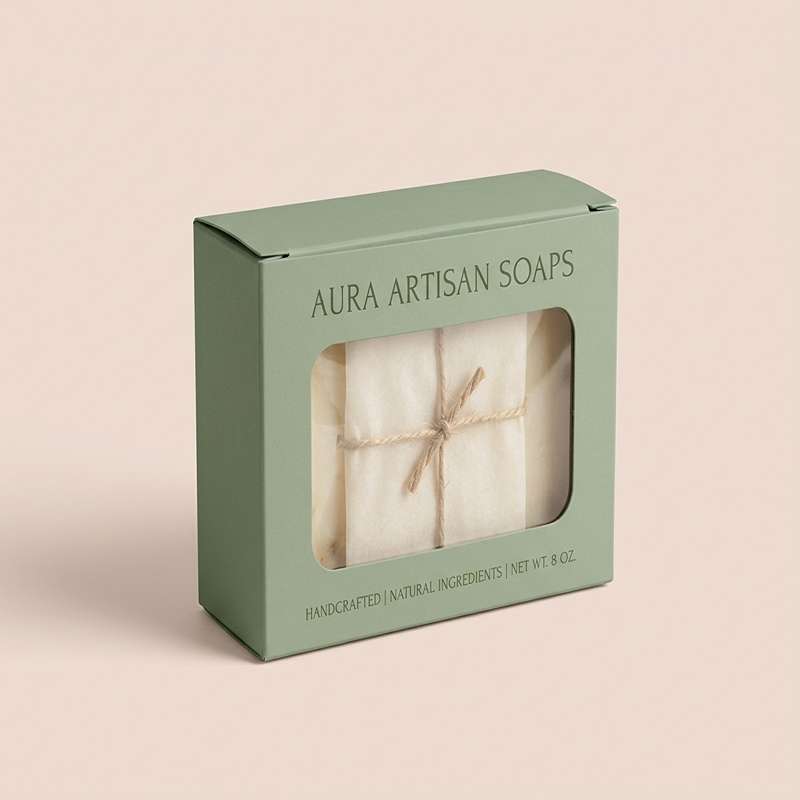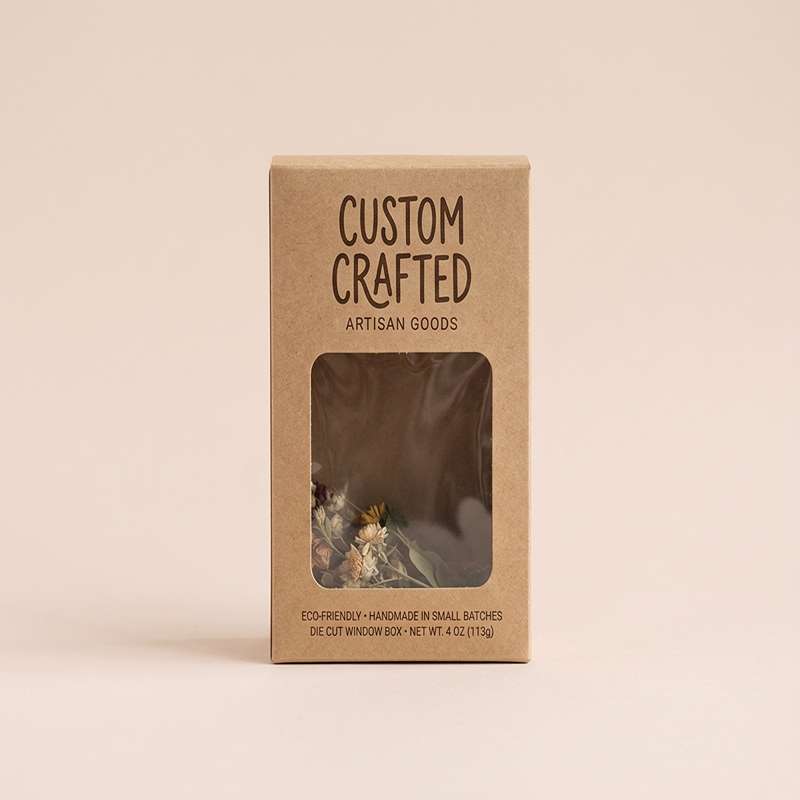

Custom Die Cut Sleeve Boxes
Share your size, material, finish and quantity details.
Can't find what you're looking for? Get a Custom Quote

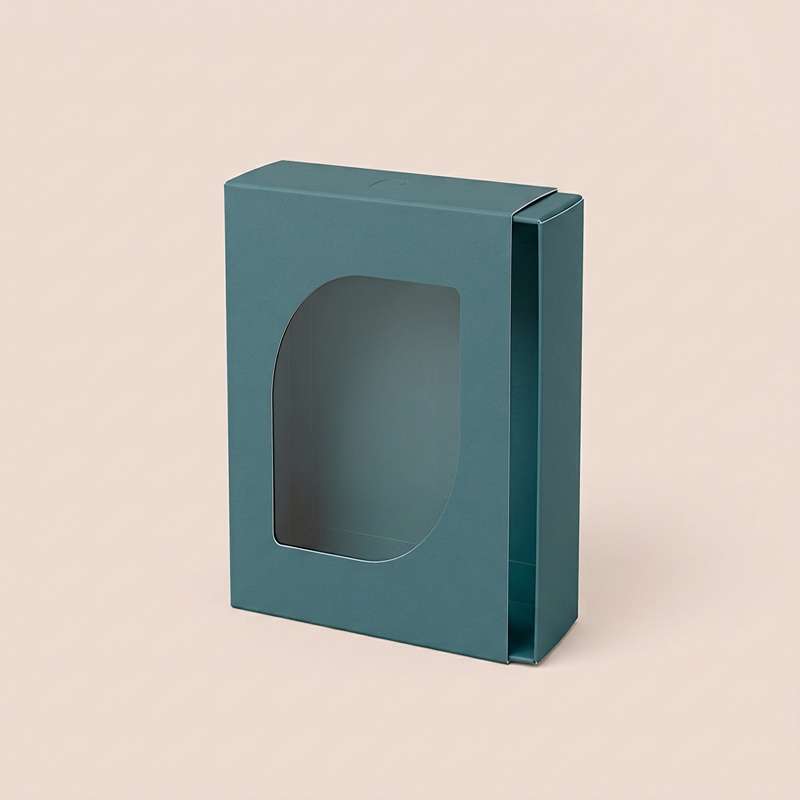


Custom Die Cut Sleeve Boxes give brands a sleeve-style packaging option with custom cuts, folds, openings, and dimensions. A sleeve can cover a tray, box, product, or insert and create a packaging layer around product. Custom Sleeve Boxes can work for cosmetics, food, soap, candles, gifts, retail goods, and other products that need a sleeve structure.
Custom packaging can include logo, product name, barcode, website, product information, and brand message. A die cut process can create the sleeve shape, opening, locking tab, handle, window, or other feature based on a planned dieline.
Box and sleeve dimensions should match product length, width, and height. Correct dimensions can help support product fit and reduce unnecessary material use.
A sleeve box normally uses an outer sleeve that slide over a tray, box, or product. Die cutting can create specific cuts and folds that support sleeve assembly and product presentation.
A sleeve can cover part or all of an inner package. A tray can hold product while sleeve provide printed brand information and product presentation.
Custom Sleeve Boxes can carry logo, product name, product detail, barcode, website, contact information, and instructions.
A brand can select sleeve opening position based on product design. A front opening can show product. A side opening can support access to tray. A full sleeve can provide more space for print.
Paperboard can work for many sleeve packaging applications. Paperboard can support printing, scoring, folding, die cutting, and coating.
SBS paperboard can provide a smooth print surface. Kraft board can provide a paper-based packaging option for brands that want a kraft surface.
Recycled paperboard can also work based on board grade, product weight, and packaging requirement.
cardboard boxes can work when sleeve packaging needs more structure for transport or heavier products.
Board thickness should match product weight, sleeve dimensions, tray structure, shipping condition, and assembly method.
Material selection should consider product size, weight, handling, storage, print requirement, die cut design, and finish.
Different sleeve styles can support different product needs.
Tray and sleeve boxes can combine an inner tray with an outer sleeve. Tray can hold product while sleeve can carry print and brand information.
Open-end sleeves can cover a product or tray while leaving one or both ends open.
Window sleeves can use a die cut opening with transparent film to show part of product.
Handle sleeves can include a die cut handle when product weight and board structure allow handle use.
Insert sleeves can work with internal inserts that separate or hold product components.
Two-piece sleeve packaging can combine a sleeve with a separate base or box.
Choose sleeve style based on product size, weight, opening method, display requirement, shipping condition, and assembly process.
Product measurement should guide sleeve dimensions. A sleeve that fit too tightly can make assembly difficult. A sleeve with too much space can move during handling.
Custom size packaging can help create sleeve dimensions based on product measurements.
Measure product length, width, height, and tray dimensions before sleeve design. Include insert thickness when calculating internal dimensions.
A packaging supplier can create a dieline after receiving measurements. Dieline can show cut lines, fold lines, glue areas, window areas, and sleeve panels.
For unusual product shapes, die cut design can follow product geometry. For products with multiple parts, an insert can help hold each component.
Printed packaging can display logo, product name, barcode, website, ingredients, instructions, contact information, and brand message.
CMYK printing can support full-color artwork. Pantone color can help brands manage specific brand colors.
A brand can choose matte coating, gloss coating, spot UV, foil stamping, embossing, or debossing based on board type and artwork.
Kraft board can support a paper-based surface. White ink can also help improve color visibility on kraft material when required.
Before production, review a digital proof. Check logo position, text, barcode, artwork, cut lines, fold lines, sleeve dimensions, and opening position.
For products sold in USA, packaging and labeling needs can depend on product category. Brands should confirm requirements that apply to their product before printing packaging.
Custom Product Boxes can support product packaging where a complete box structure is needed. A sleeve can also work as an outer packaging layer around a tray or box.
Cosmetic brands can use sleeves around product trays. Soap brands can use sleeves around soap boxes or trays. Food brands can use sleeves for product sets when material and packaging requirements allow.
Gift products can use sleeve structures to create a separate printed layer around an inner box.
A brand can use one logo and artwork system across different packaging types while changing dimensions and structure for each product.
A business may need bulk packaging for regular production, retail orders, product launches, promotional campaigns, and e-commerce sales.
Wholesale packaging can suit retailers, distributors, manufacturers, online stores, and businesses that need packaging in larger quantities.
Before placing a wholesale order, confirm board grade, thickness, sleeve dimensions, tray dimensions, die cut structure, print method, finish, quantity, packing method, and delivery location.
Order quantity can affect unit cost. Request a quote based on exact packaging specifications.
For a new business, a sample can help confirm sleeve fit, tray fit, print, die cut accuracy, board strength, and assembly before bulk production.
The Custom Boxes Hub can help brands plan die cut sleeve packaging around product dimensions, board type, artwork, print, sleeve structure, finish, and quantity.
A business can provide product dimensions, logo, artwork, preferred material, sleeve style, quantity, and delivery location before requesting a quote.
For brands that need USA packaging manufacturers, supplier selection should consider product requirements, material specification, print process, production quantity, quality checks, and delivery needs.
Working with one packaging supplier can help a brand manage sleeve boxes, product boxes, kraft packaging, and other packaging formats while keeping logo placement and brand design consistent.
Your brand need packaging that match product dimensions, material, sleeve structure, print, shipping method, and sales channel.
Choose Custom Die Cut Sleeve Boxes when your brand need a sleeve with custom cuts, folds, windows, openings, or other die cut features.
For a kraft packaging option, Kraft Die Cut Sleeve Boxes can use kraft board with custom size, print, die cut structure, and finish based on product requirements.
If your brand need personalized packaging, prepare logo, artwork, product dimensions, material preference, sleeve style, finish, quantity, and delivery location before requesting a quote.
The Custom Boxes Hub can help you plan custom size, material, print, die cut, sleeve structure, finish, and quantity for your packaging project. Send product specifications and request a quote for your required boxes.
A bright, clean white paperboard that prints colors accurately and works for most retail box styles.
A natural brown stock with an earthy, eco-friendly look that suits organic and sustainable brands.
A fluted, layered board built for heavier products that need extra support on the shelf.
A dense, non-folding board that gives display boxes a premium, solid feel on the counter.