
ytuytutyuytu
Share your size, material, finish and quantity details.
Can't find what you're looking for? Get a Custom Quote


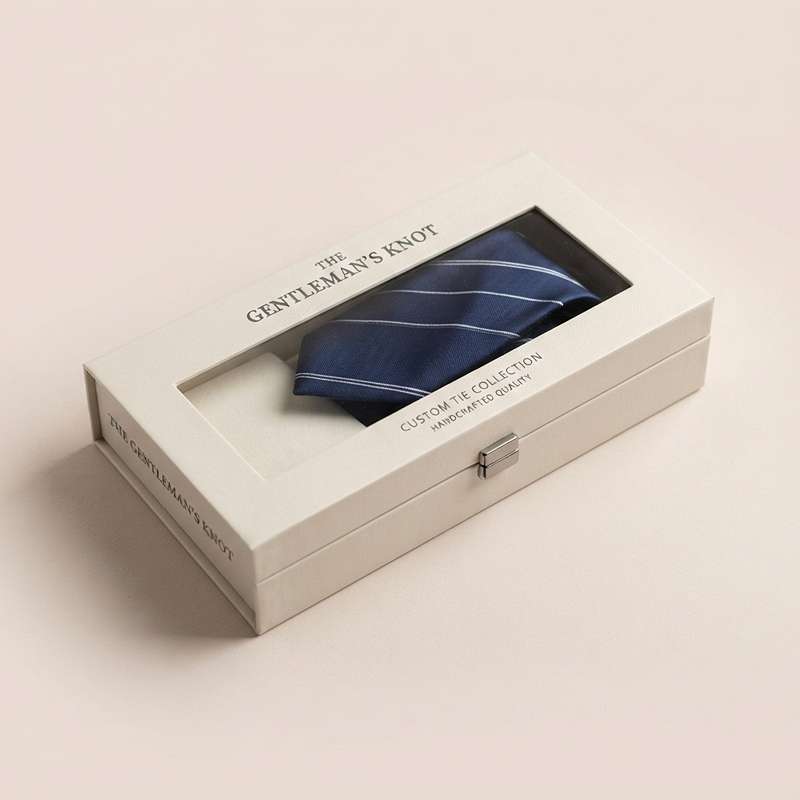
Custom Two-Piece Apparel Boxes give clothing brands a box with two parts: a base and a separate lid. This structure works for shirts, dresses, scarves, sweaters, socks, and other folded apparel. A separate lid can make product packing simple while giving your brand space for a logo, product name, and other brand details.
For a clothing company, packaging needs to protect a product and support brand presentation. A well-planned box can hold folded apparel in place during storage, retail handling, and shipping. Box dimensions can also match product size, which helps reduce unused space.
Two-piece construction can support many apparel packaging needs. A base holds the product while a lid covers the top. You can choose the depth, length, width, board type, and lid fit according to your product.
A shirt brand may need a shallow box, while a sweater may need more depth. Adding tissue paper, an insert, or a brand card can also affect box dimensions.
For brands that need a different opening style, Custom Tuck Top Boxes can provide another option. Tuck top construction uses a connected lid that folds into place, while two-piece construction keeps lid and base as separate components.
Material choice depends on product weight, shipping needs, print requirements, and budget. Cardstock and paperboard can work for many apparel packages where low weight and print quality matter. Custom Boxes Hub lists paper stocks from 10pt to 28pt, along with Kraft, E-flute corrugated, bux board, and cardstock options.
Rigid board can support a firm structure for clothing packages that need a stronger presentation. Kraft can work for brands that want a paper-based package with a natural surface. Corrugated board can provide more protection when shipping creates more handling stress.
Before you order, check folded product dimensions rather than measuring clothing in an open state. Add space for tissue, inserts, or other packing material if your package design requires them.
A clothing box can carry more than a product. Your logo can help customers identify your brand when they receive an order or see a package on a retail shelf.
Custom Printed Apparel Boxes can support brand colors, product information, patterns, artwork, and logo placement. Custom Boxes Hub states that its packaging production supports PMS and CMYK printing.
Print placement should follow your dieline. Keep important text and logos inside the safe area, and extend background artwork into bleed space when required by your printer. A proof can help you check color, text, logo position, and box layout before production.
Finish can affect how a box look and feel. Matte lamination can reduce surface reflection, while gloss lamination can increase surface shine. Spot UV can place a gloss layer on selected areas. Foil stamping can add a metallic element to a logo or text. Embossing can raise a design from the surface, while debossing can press a design into board.
Custom Boxes Hub lists matte, gloss, soft-touch, UV, foil, embossing, and debossing options for its packaging range.
A clothing brand does not need every finish. Choose based on brand identity, budget, print design, and box material.
White packaging can give a clothing package a clean base for logo printing and brand color. A white surface can also provide contrast for dark text or colored artwork.
For a simple retail presentation, Custom White Apparel Box With Lid can work well with shirts, accessories, and folded garments. A white box can also support a consistent packaging system when a brand sells products across different collections.
Kraft packaging can support brands that want a paper-based look. Brown Kraft can show natural paper color, while printed artwork can add brand information without changing box structure.
A logo can also become part of the package surface. Custom Kraft Boxes with logo can support brand recognition while keeping packaging design focused on product and company identity.
When choosing Kraft, ask about board weight, print method, coating, and expected handling conditions. Material selection should match how your apparel order move from production to customer.
Packaging quantity can affect your unit cost and production planning. A brand that ship apparel every week may benefit from a bulk order that cover a planned sales period. Before placing a large order, confirm box dimensions, artwork, material, finish, and product fit.
For retailers, resellers, and clothing companies with repeat demand, wholesale packaging can support a consistent box supply. Custom Boxes Hub states that larger orders can receive bulk pricing and that its packaging service support businesses across USA and Canada.
If your order volume may change, start with a sample or smaller production run when possible. A sample can help confirm lid fit, product position, print quality, and material choice before a larger purchase.
The Custom Boxes Hub offers custom packaging for businesses that need control over size, structure, material, printing, and finish. Its website states that company serves USA and Canada and has more than 15 years of packaging experience.
For a new clothing brand, working with one packaging supplier can make box development easier. You can provide product dimensions, artwork, quantity, and packaging goals, then work through material and structure choices.
Custom Boxes Hub also lists free design support, custom sizes and styles, printing setup, free shipping, and a stated 10–12 business-day delivery service on its product pages.
If your brand needs a package for a new apparel line, seasonal collection, retail order, or e-commerce shipment, start with product dimensions and expected order quantity. Then choose box material, print, finish, and structure.
When you are ready to buy apparel packaging, request a quote from The Custom Boxes Hub and share your product size, quantity, artwork, and delivery requirement. A measured package can support product fit, brand presentation, and order handling while giving your clothing line a consistent packaging format.
A bright, clean white paperboard that prints colors accurately and works for most retail box styles.
A natural brown stock with an earthy, eco-friendly look that suits organic and sustainable brands.
A fluted, layered board built for heavier products that need extra support on the shelf.
A dense, non-folding board that gives display boxes a premium, solid feel on the counter.


.jpeg)